Leaving Pintu
So, it’s been a month since I left Pintu. And it still feels unreal.
Six years. I joined Pintu, a crypto exchange in Indonesia, as an intern while I was still in college. It ended up being where I grew up as an engineer, and I made a lot of friends there too.
How I ended up at Pintu#
It was 2020. COVID was happening, and I was still a sophomore in college, exploring Kubernetes, DevOps, infrastructure, and backend development. Basically, still figuring out what I wanted to work on.
I always had a goal for each year. For 2020, it was to get an internship.
At the time, it felt like a low point. I applied to Google Summer of Code and got rejected. I already had a verbal offer for an internship elsewhere, but when COVID hit, that got canceled too. So there wasn’t much going on. Just me and my classes.
I was following Mas Endang, one of the speakers from a local engineering meetup I’d attended. Turns out, he worked at Pintu. One day, he posted on Instagram that they were hiring for a full-time role. I figured I’d give it a shot anyway and asked if they had an internship: “buka intern enggak?”
He said he might consider it. I got an assignment and completed it.
Luckily, I’d already been actively exploring Kubernetes and helping organize the monthly Kubernetes and cloud native meetups in Bandung. Before the interview, my mentor, Giri Kuncoro, challenged me to give a talk on the basic concepts of Kubernetes. I hadn’t done that before, but I said yes anyway and presented at the meetup.
Then those same concepts came up during the interview. I don’t know, it felt like the universe (semesta) was aligning. And the rest is history. I got the internship.
After the internship, I asked if I could continue part-time, and they said yes. That let me keep studying while working at Pintu.
When I joined in 2020, there were just two of us on the team: Mas Endang and me. He later left Pintu, and the team stayed at around two people through 2021.
Growing as an engineer#
The early days#
When I joined, Pintu was still around the pre-seed or seed stage. Fewer than 20 engineers, and roughly 30 people in the whole company, including the executives. Small team, lots of responsibilities.
My title was DevOps engineer, but the work didn’t stop there. Sometimes I’d be dealing with a payment gateway issue. Sometimes it was something else the team needed help with. We just rolled with it.
Our weekly meetings were company-wide, so I heard updates from marketing, not just engineering. I could see where the company was heading, and I really believed we’d make it. Being exposed to customer service and ops issues also helped me understand what the other teams were dealing with.
There was a lot of trust, too. Even though I was still early in my career, my manager, the executives, and the senior engineers gave me room to try things. They were open to ideas and let me work on them.
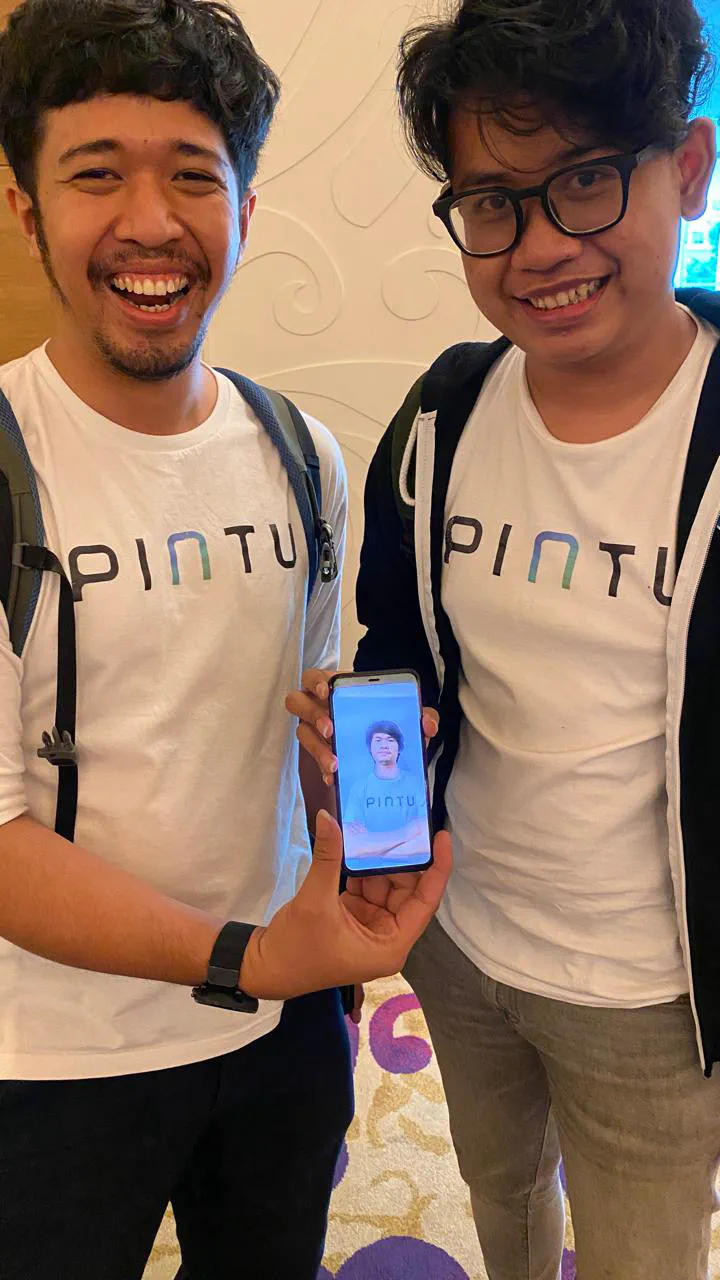
I still remember my laptop breaking about two months into the internship. Albert, our VP of Engineering, asked the company to get me a laptop so I could keep working and studying. Thanks to him, I finished college on that same laptop. Still very grateful for that :)
Series A: taking it one step at a time#
After Series A, we needed to start doing things more properly.
At the time, we had two big VMs, with PM2 managing the apps. The crazy part was that we’d build our NestJS app directly on the production server when deploying. Only a few people knew the deployment order. If we fucked up the order, things would go down. HAHA.
Then we moved to Nomad. Our VP of Engineering said that ideally we’d use Kubernetes, but the engineers weren’t familiar with containers yet. So we took baby steps, starting with Nomad.
We weren’t sharing nodes between apps, either. One VM, one app. We were also betting on Istio, with an Envoy sidecar for each app.
Honestly, I learned a lot during this phase. Baking Nomad images with Packer, working with AWS Auto Scaling Groups, playing with Istio proxies.
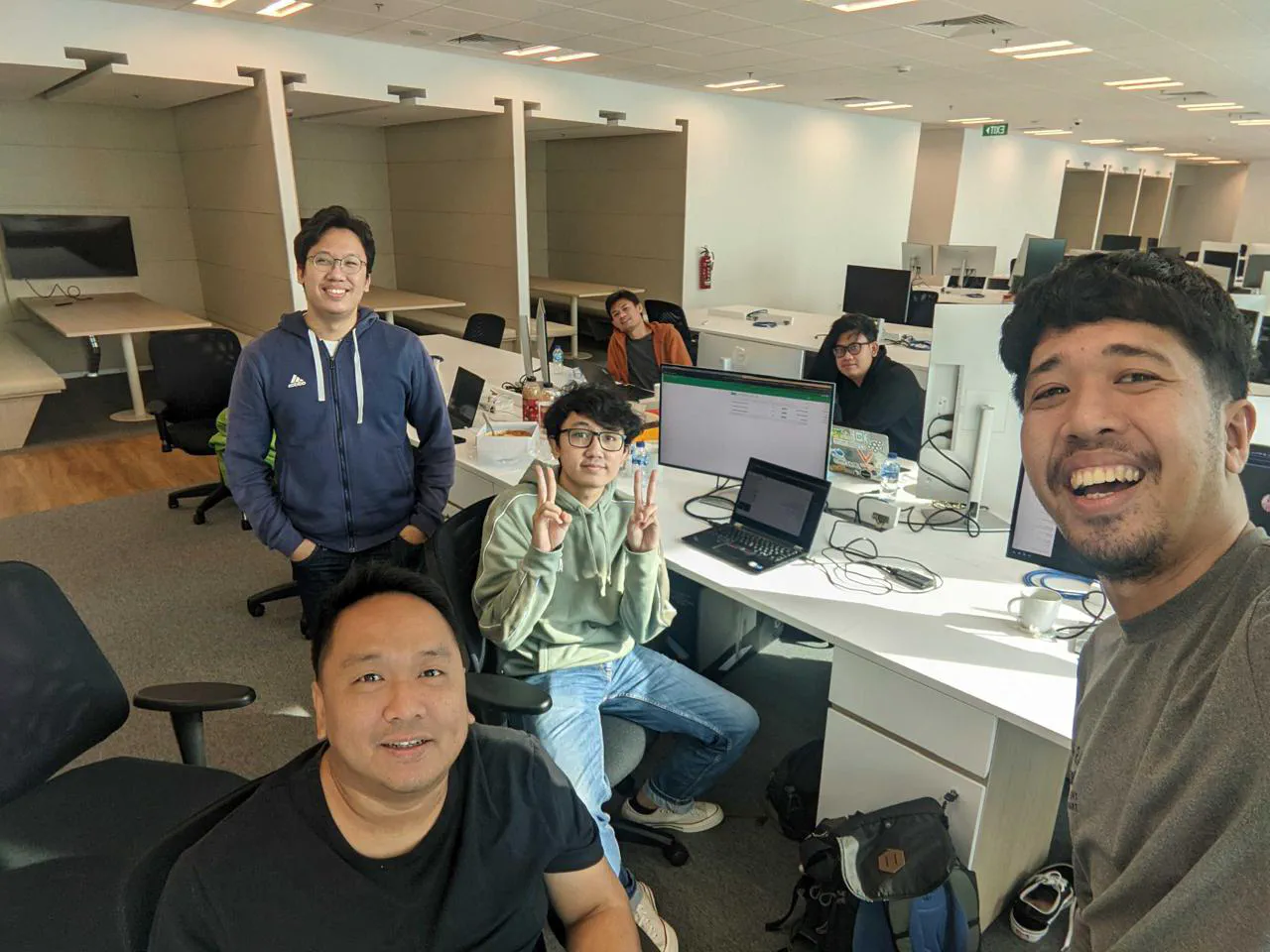
We also messed up once because of DNS. It was in the middle of the bull market, and we were down for more than eight hours. That day I thought, okay, maybe this is the end of the company.
We ended up with around 500 cores and more than 1 TB of memory, but only around 10% utilization. Not sharing nodes between apps was part of that. It wasn’t ideal, but it helped us scale. We went from about five trading pairs to 66, added features like Earn, and made it to Series B.
Looking back, we could have shared nodes from day one. But the decision came from the conditions we had at the time.
Series B: having the building blocks#
Around Series B, we started moving our workloads to Kubernetes on EKS, with Istio. Utilization went from around 10% to above 60%, if I remember correctly. We also finally had reusable building blocks: Kubernetes templates, Terraform modules, and scaffolding.
Before that, introducing a new service or product could take a quarter. With those in place, we could go from zero to a product in about a month, while keeping the same standards.
At this stage, I was responsible for infrastructure for products like Web3 Wallet and Rupiah Token. I also shared responsibility for the retail app’s infrastructure with the other engineers.
By then, we’d grown to more than 100 engineers, with eight or more on the infrastructure team.
Platform engineering#
Last year, we made a bet on platform engineering. I became one of the founding members of that effort, alongside Neru. AI was a big help here. Basically, we used it for coding, frontend and backend, and that’s how the internal developer platform and CI Insights could actually happen.
I was responsible for our CI platform, running on self-hosted runners. We ran a lot of CI, so keeping it fast mattered for how we maintained and shipped our code. I spent time optimizing it: hacking on Actions Runner Controller and adding caching here and there.
I also worked on an internal deployment platform. We’d relied heavily on GitHub, and I wanted a deployment platform that could stand separately from it. We already had building blocks like Terraform modules, so to me, this was the next thing to build on top of them.
On top of the technical work, I learned how much it takes to convince people that an idea or project is worth doing.
Growing as a person#
I used to think, okay, I just want to work on technical stuff. What the user actually needed wasn’t always what I was thinking about. That changed during my time at Pintu. I learned to have more empathy for other people, and to respect opinions different from my own.
A lot of that came from the people I worked with.
One person who really left an impression on me was Neru. He’d been a product engineer before joining me to build the platform engineering effort. We became close over the past couple of years.
Neru could be very direct. Even when we agreed, the way he saw it was so different from mine. That’s what amazed me. Those conversations changed how I looked at problems. We shared a lot of personal stuff, too.
Kondel and Rezky are both much older than me. Kondel gave me a different perspective on life in general, and Rezky helped me a lot when I was preparing for my wedding.
And Albert and Yusuf are leaders I look up to. Yusuf was my manager, and funnily enough, he joined Pintu after I did. They gave me opportunities and trusted me with them. I want to do the same for other people.
Bella, Lambok, Nanda, Dwi, Haris, Chris, and Fade also set the bar really high. Being around them made me expect more from myself.
Agung was also a great friend outside work. What I learned from him wasn’t really about career or technical stuff. We went backpacking to Malaysia and Singapore together. It was our first backpacking trip, across two countries, and we planned all of it from internet research, haha. I’m really happy he took on that challenge with me. I also learned a lot from how he approached life. How he thought about his next move, and his strategy for winning the game. We both kind of saw life that way.
I find myself applying things I learned at Pintu to life outside work. That idea of life as a game stuck with me. I try to have a strategy and work with the skills I have. Sometimes that means taking a step back, or waiting for the right moment to move.
Why it was time to leave#
If you’re asking me why, I don’t think I have a neat answer either. Pintu was a sweet spot for me, honestly. Leaving was a hard decision.
But after six years, I felt it was time for something new. I have a big dream I want to pursue: working for a company outside Indonesia, remote or onsite. Pursuing it meant leaving Pintu. Also, how would I know what made Pintu such a good place for me if I’d never experienced anything else? I wanted to find out what was beyond it, haha.
My family also asked me to help run our family business, so the timing made sense.
And I felt like I’d stopped growing. Pintu was comfortable, maybe a bit too comfortable. So I wanted to level up and bet on myself, even with the market and everything else going on.
I left without another offer lined up. A pretty crazy move, I know. But to me, that uncertainty was part of the price of taking this step.
What I’m taking with me#
The actual experience wasn’t as smooth as it might sound in this article, but I’m really glad I got to be part of it.
Thank you to Mas Endang for opening the door, to Albert for betting on me from day zero, and to Yusuf for all the trust. To my SRE and DBA teammates (Lambok, Chris, Kondel, Rezky, Agung, Fade, Nanda, Dwi, Haris, Tonny, and Nathan) and everyone who became a friend: thank you for being part of these years with me.
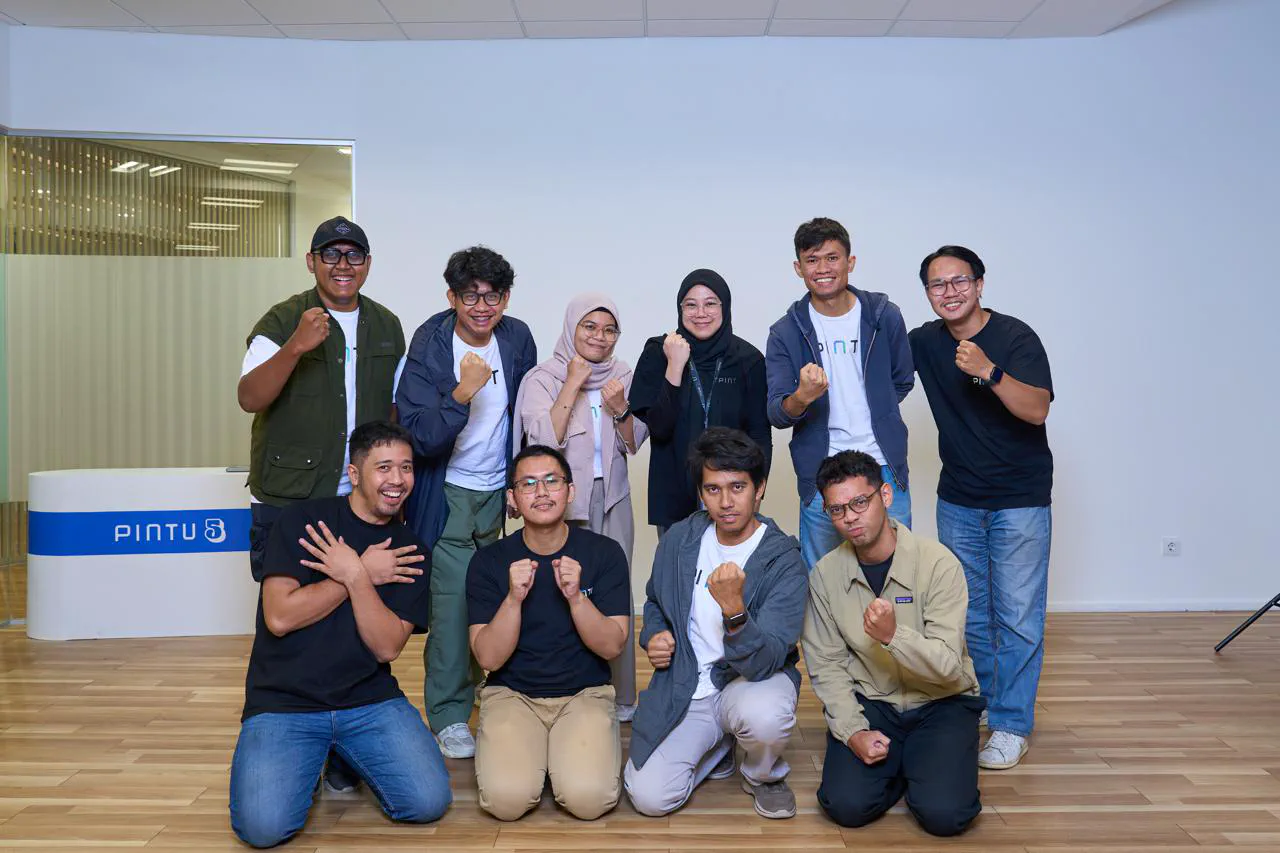
I’ll miss the casual calls in tdj-oru (iykyk), usually around 2 to 4 pm, talking about anything and everything during WFA. Lunch together in the Immutable room. Haka Dimsum and Filosofi Kopi after a long migration at the office. Traveling to other cities together. Sounds a little cheesy when I write it down, haha, but those are the moments I’ll miss.
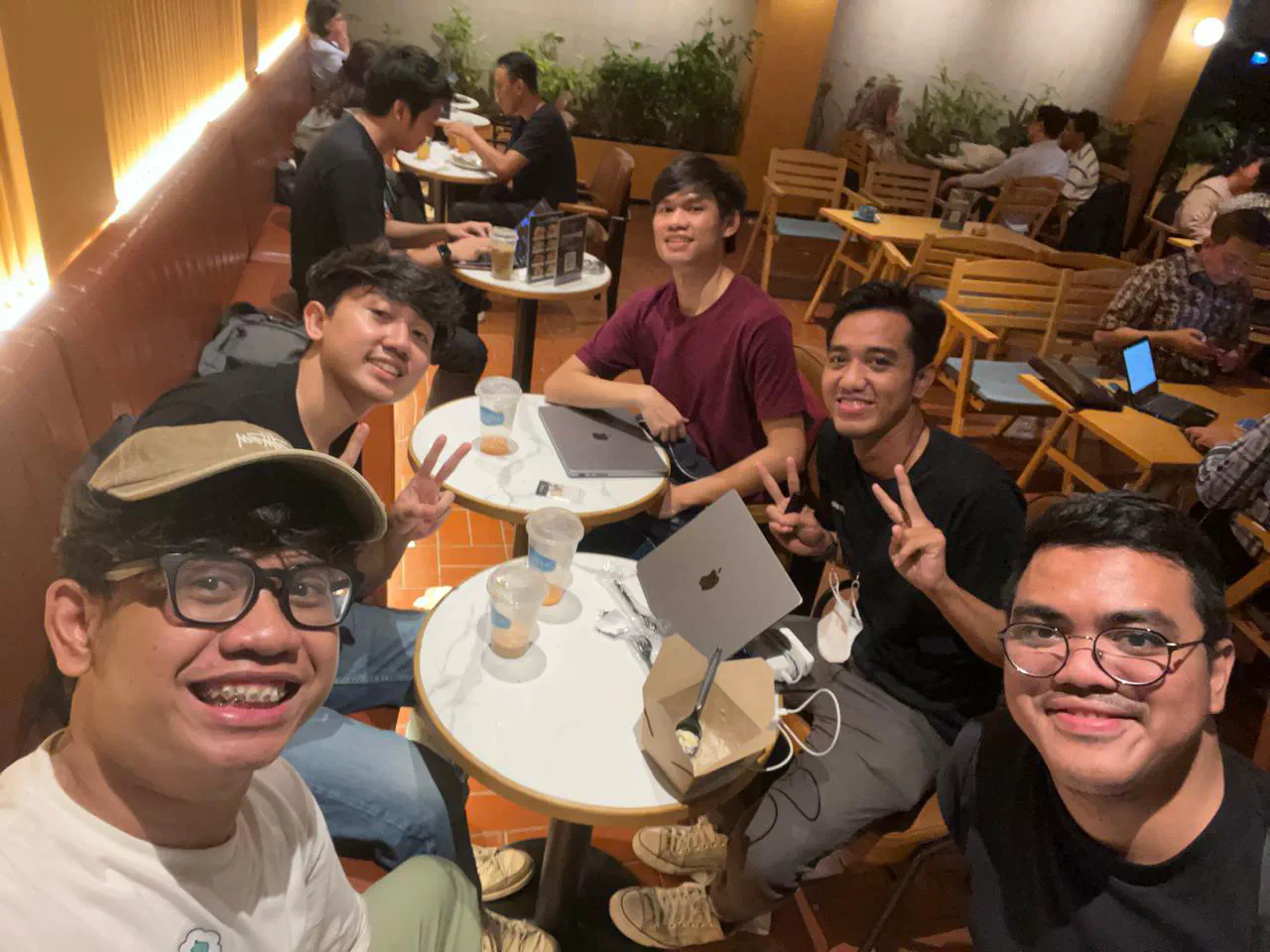
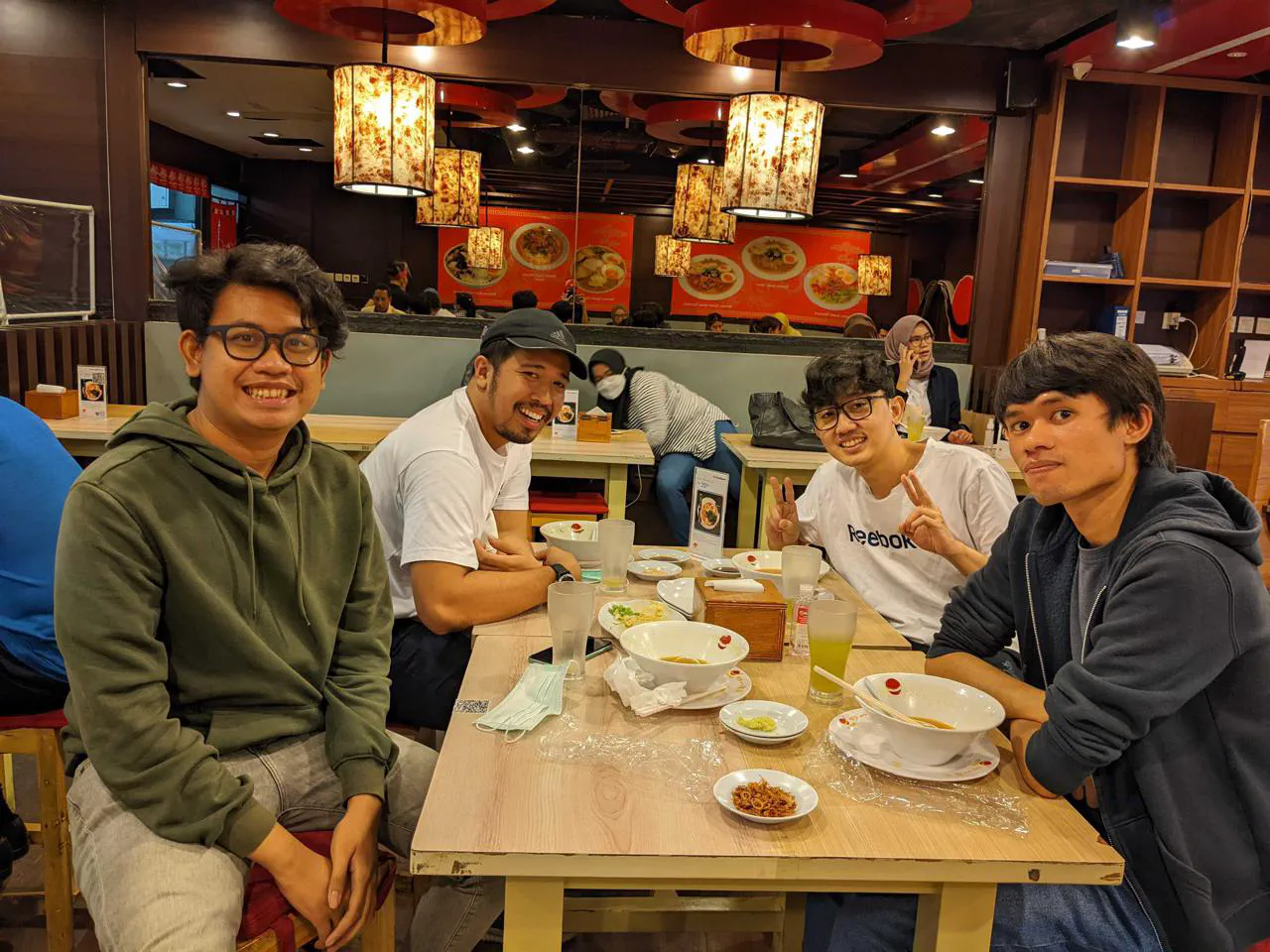
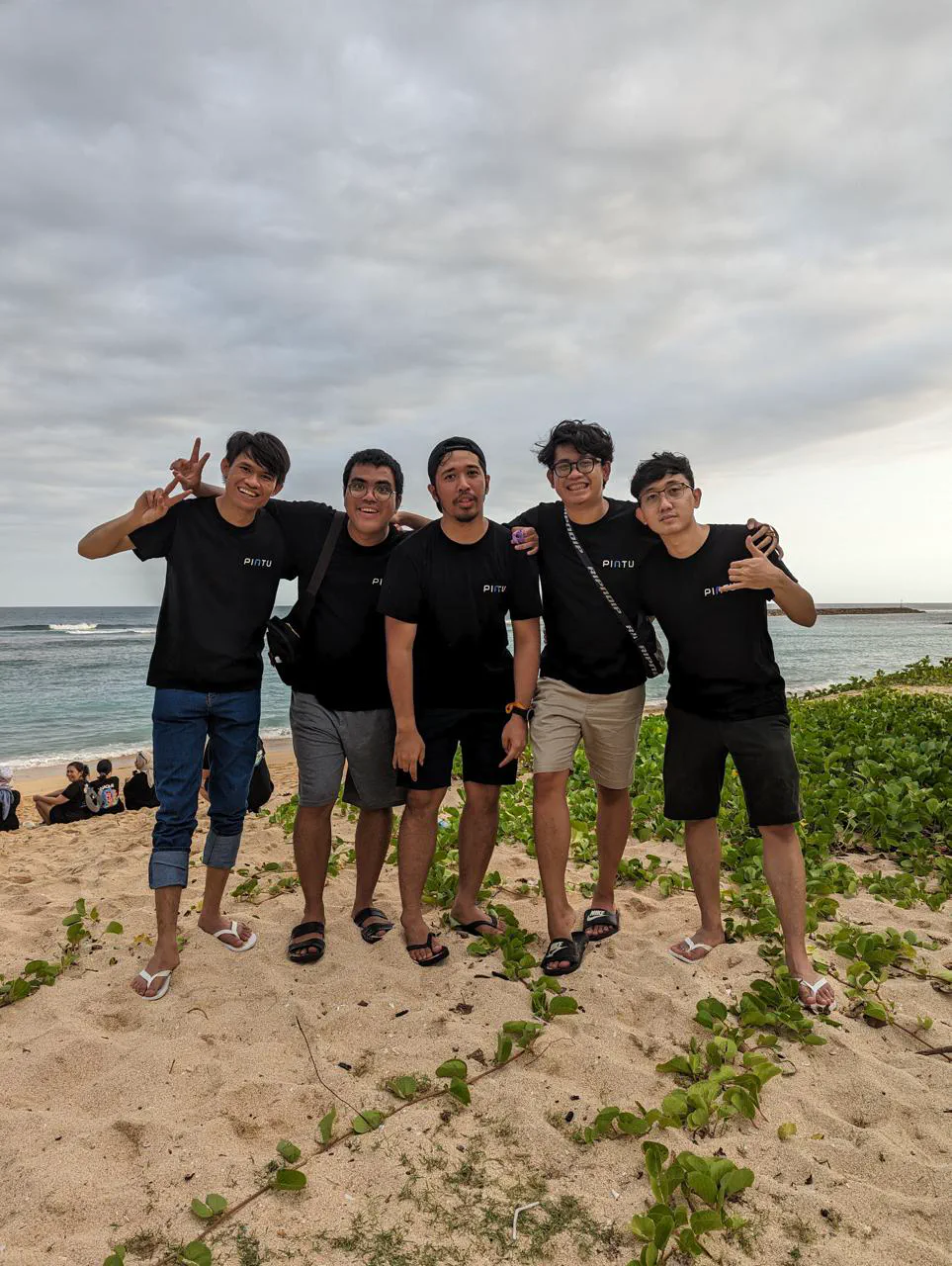
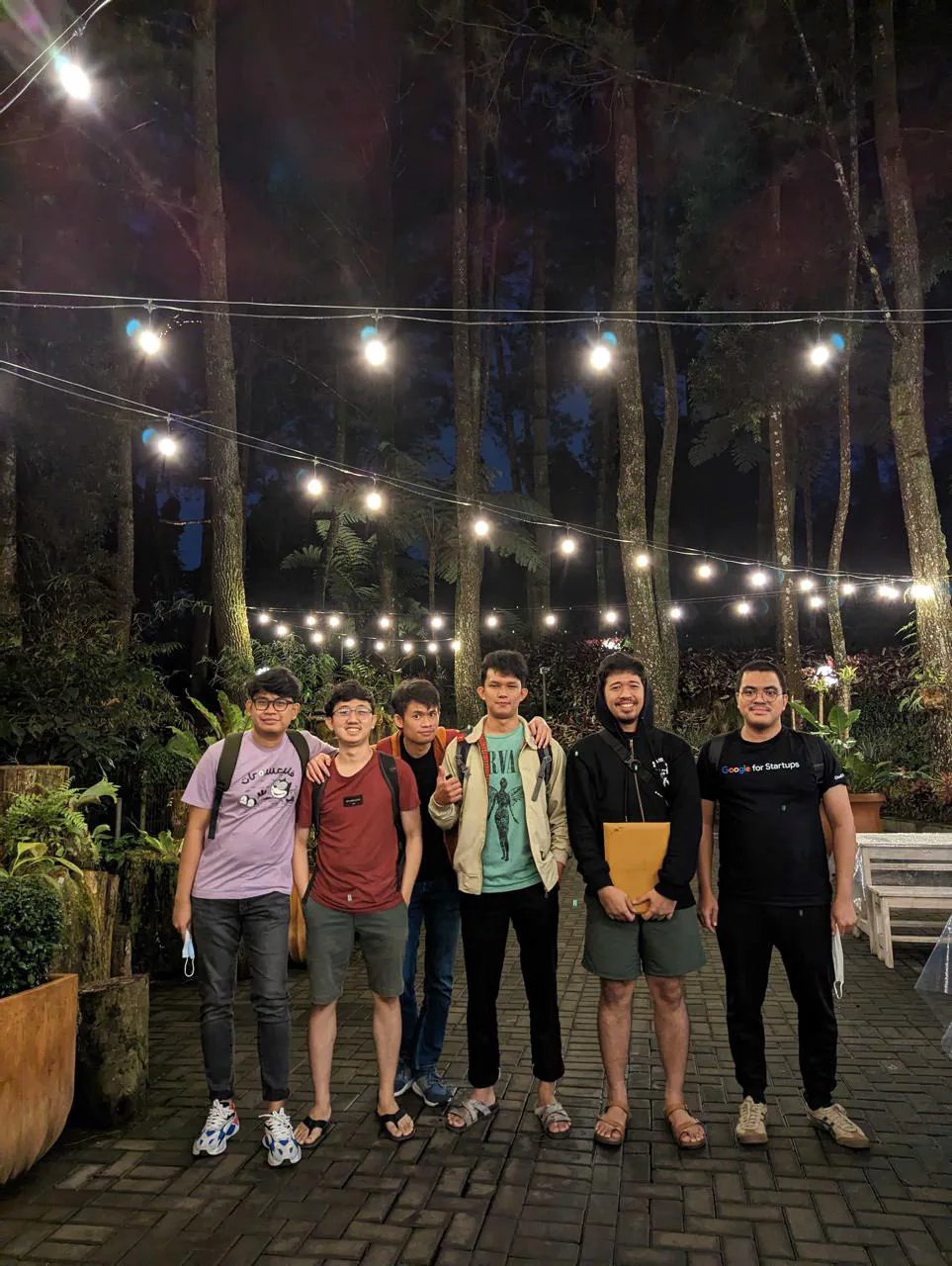
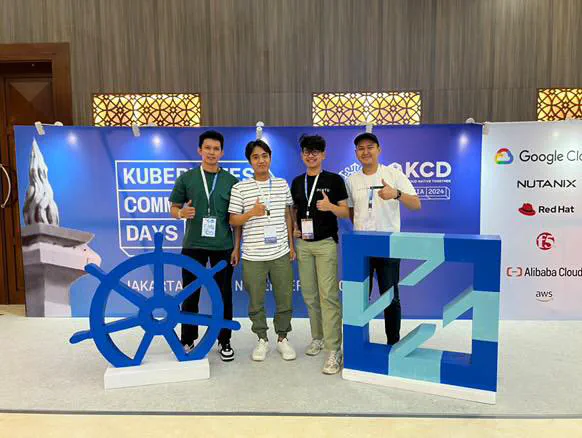
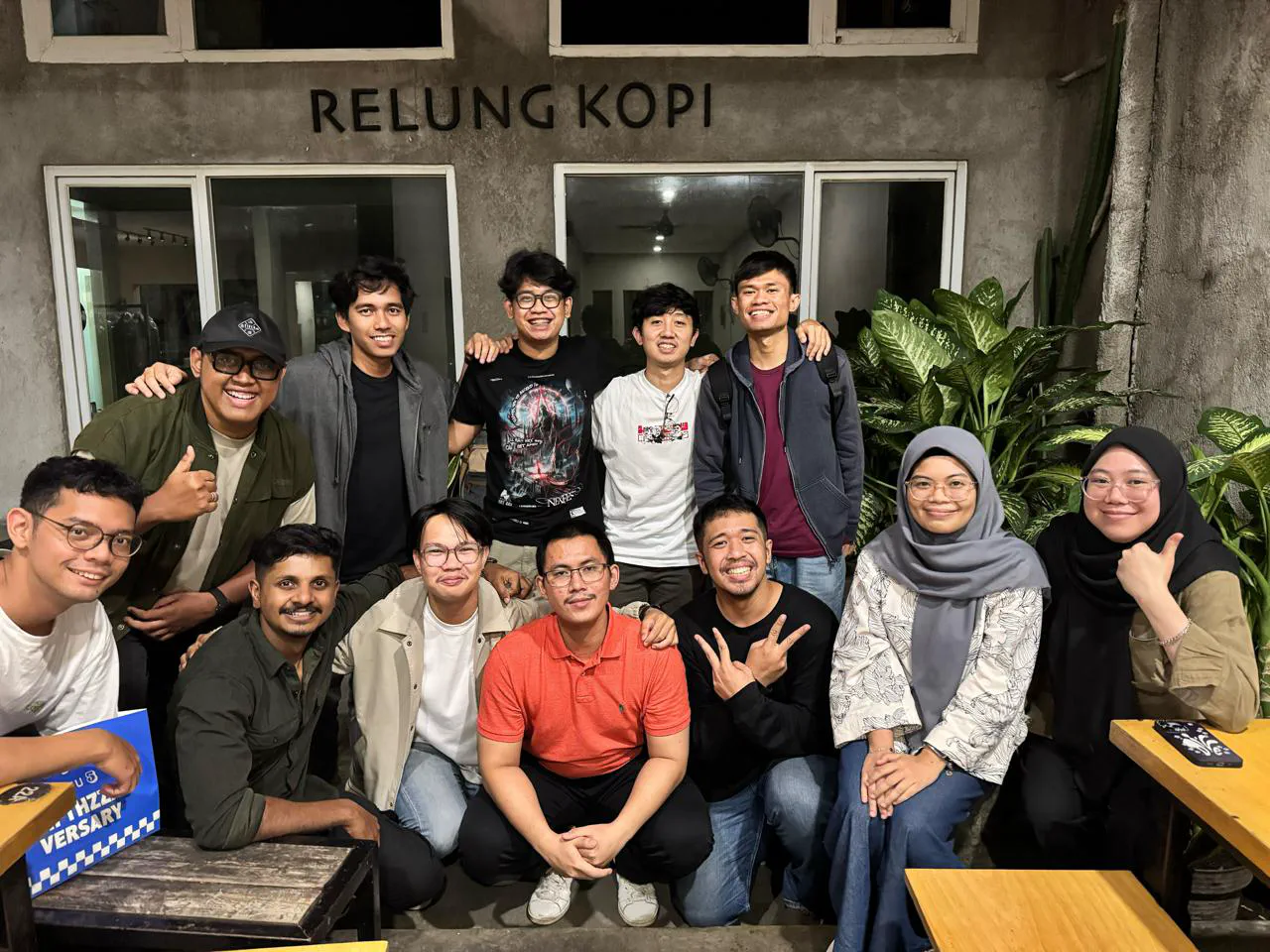
Pintu became a big part of my life. Even my YouTube channel reflects that: a lot of what I shared there came from things I was learning and doing at work.
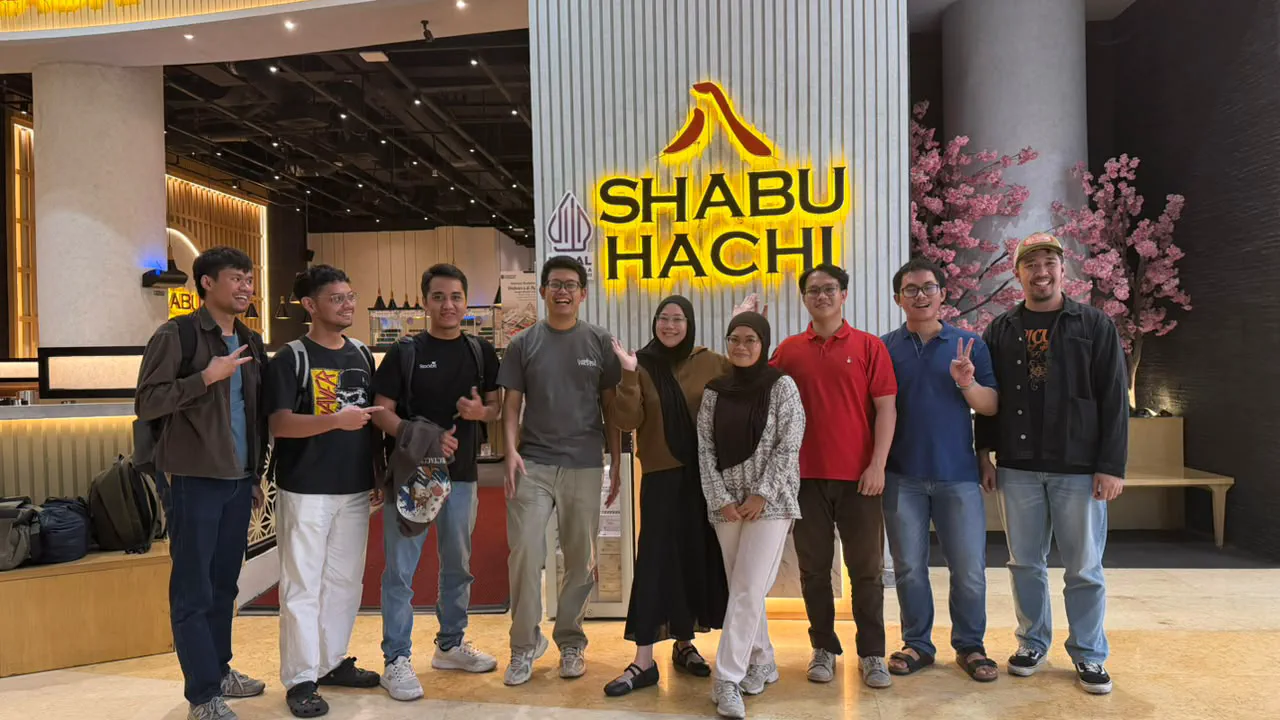
Back in 2020, I was just a college kid asking “buka intern enggak?” I didn’t know that one question would turn into six years.
Thanks for taking a chance on me. I’ll always be rooting for you, Pintu.